Well we are still alive, it's been 41 days of social distancing (Self isolating) for us. I go out once a week to get groceries.
Our life is at a stand still, trying to get a handle on Covid 19, there are a lot of people out of jobs, and our country will take along time to recover from this Pandemic. Gas is 63.9 at the gas stations. People have to stay 2 meters apart unless you live at the same address.
Here's the number of affected in Canada and the world: as of today.....😕
 Canada
Confirmed
40,190
|
Recovered
13,986
|
Deaths
1,974
|
Confirmed
2,623,415
|
Recovered
709,694
|
Deaths
183,027
|
Every week at the store, I never know what to expect. In the beginning it was hard to fill my shopping list at the store, because people started stocking up on groceries in order to keep their families fed. There was many shortages on the shelves and still are to this date.
My last trip, was actually one of my best trips so far. I got everything on my list and the store wasn't busy at all, and staff was filling the shelves.
We now have a lot of rules to follow at the store. Only one family member aloud in the store at a time, only 50 or so people in a store, depending on the size of the store.....there are arrows on the ground, at each isle to keep traffic moving and to keep everyone safe and at the recommended 2 meters distance, I wear gloves, I see people wearing masks, but it's not a mandatory thing yet, so I don't bother with the mask. I did make a few masks, two I crocheted and 3 I made with fabric and crochet. They are so hot to wear. There are so many patterns on like to sew masks, but I'm not a sewer....I can never get my machine to work. I do hand hemming or sewing in a pinch.
Covid 19 in a nut shell.....below. That's all I'm going to add today, hopefully things will improve not get worse. We will see how it going, stay safe and healthy Everyone!! It's okay to stay on the couch, if you aren't an essential worker, it's saving lives. Chat later
How coronavirus spreads
Human coronaviruses cause infections of the nose, throat and lungs.
They are most commonly spread from an infected person through:
- respiratory droplets generated when you cough or sneeze
- close, prolonged personal contact, such as touching or shaking hands
- touching something with the virus on it, then touching your mouth, nose or eyes before washing your hands
Current evidence suggests person-to-person spread is efficient when there is close contact.
Difference between quarantine (self-isolate) and isolate
There is a difference between advice to
quarantine (self-isolate) and advice to
isolate. These measures are in place to protect the health and safety of Canadians.
Additional restrictions apply to travellers returning to Canada.
Quarantine (self-isolate)
Quarantine for 14 days if you have
no symptoms and
any of the following apply:
- you are returning from travel outside of Canada (mandatory quarantine)
- you had close contact with someone who has or is suspected to have COVID-19
- you have been told by the public health authority that you may have been exposed and need to quarantine
Isolate
You must isolate if
any of the following apply:
- you have been diagnosed with COVID-19, or are waiting to hear the results of a lab test for COVID-19
- you have symptoms of COVID-19, even if mild
- you have been in contact with a suspected, probable or confirmed case of COVID-19
- you have been told by public health that you may have been exposed to COVID-19
- you have returned from travel outside Canada with symptoms of COVID-19 (mandatory)
Preventing coronavirus
Canadians should continue to think ahead about the actions that they
can take to stay healthy and prevent the spread of COVID-19 in Canada.
This includes staying at home as much as possible and
being prepared
in case you or a family member becomes ill. Everyone should be
practising physical (social) distancing. Even if you do not have
symptoms of COVID-19, you could become infected by others.
As we continue to see transmission of the virus within different
communities, we know that everyone must take precautions, even those who
have not travelled outside of Canada.
In an effort to prevent the spread of COVID-19 within communities and across the country, all Canadians are advised to:
- stay at home unless you have to go to work
- talk to your employer about working at home if possible
- avoid all non-essential trips in your community
- do not gather in groups
- limit contact with people at higher risk, such as older adults and those in poor health
- go outside to exercise but stay close to home
- if you leave your home, always keep a distance of at least 2 arms lengths (approximately 2 metres) from others
- household contacts (people you live with) do not need to
distance from each other unless they are sick or have travelled in the
last 14 days
You can go for a walk if you:
- have not been diagnosed with COVID-19
- do not have symptoms of COVID-19
- have not travelled outside of Canada in the past 14 days
- are not in quarantine (self-isolating)
- are not isolating
If you go out for a walk, do not congregate and always practise
physical (social) distancing by keeping at least 2 metres apart from
others at all times.
Think you might have COVID-19?
Physical (social) distancing
Together, we can slow the spread of COVID-19 by making a conscious effort to keep a physical distance between each other.
Physical (social) distancing is proven to be one of the most effective ways to reduce the spread of illness during an outbreak.
This means making changes in your everyday routines to minimize close contact with others, including:
- avoiding crowded places and non-essential gatherings
- avoiding common greetings, such as handshakes
- limiting contact with people at higher risk like older adults and those in poor health
- keeping a distance of at least 2 arms-length (approximately 2 metres) from others
Hygiene
Proper hygiene can help reduce the risk of infection or spreading infection to others:
- wash your hands often with soap and water for at least 20 seconds, especially after using the washroom and when preparing food
- when coughing or sneezing:
- cough or sneeze into a tissue or the bend of your arm, not your hand
- dispose of any tissues you have used as soon as possible in a lined waste basket and wash your hands afterwards
- avoid touching your eyes, nose, or mouth with unwashed hands
Cleaning
Coronaviruses are one of the easiest types of viruses to kill with
the appropriate disinfectant product when used according to the label
directions. Health Canada has published a
list of hard surface disinfectants that are likely to be effective for use against COVID-19.
Although they do not claim to kill COVID-19, cleaners can play a role
in limiting the transfer of microorganisms. Health Canada recommends
cleaning high-touch surfaces often, using either regular household
cleaners or diluted bleach. This bleach solution should be prepared
according to the instructions on the label or in a ratio of 1 teaspoon
(5 mL) per cup (250 mL). Directions are based on bleach that is 5%
sodium hypochlorite, to give a 0.1% sodium hypochlorite solution.
These surfaces include:
- toys
- toilets
- phones
- electronics
- door handles
- bedside tables
- television remotes
Refer to the
guidance on cleaning and disinfecting public spaces for more information.
Wearing masks or face coverings
Medical masks, including surgical, medical procedure face masks and
respirators (like N95 masks), must be kept for health care workers and
others providing direct care to COVID-19 patients.
Wearing a non-medical mask or face covering while out in public is optional. If you do choose to wear one, refer to our
guidelines on wearing non-medical masks and how to make your own.
Masks alone will not prevent the spread of COVID-19. You must consistently and strictly adhere to
good hygiene and
public health measures, including frequent
hand washing and
physical (social) distancing.
Risks of getting coronavirus
COVID-19 is a serious health threat, and the situation is evolving
daily. The risk will vary between and within communities, but given the
increasing number of cases in Canada, the risk to Canadians is
considered
high.
This does not mean that all Canadians will get the disease. It means
that there is already a significant impact on our health care system. If
we do not flatten the epidemic curve now, the increase of COVID-19
cases could impact health care resources available to Canadians.
The risk for COVID-19 may be increased for certain settings such as:
- cruise ships
- crowded areas (such as public transit and shopping centres)
- gatherings (spiritual and cultural settings, theatres, sports arenas, festivals and conferences)
Check if you have been exposed
Have you been on a recent flight, cruise, train, or at a public gathering? Check the listed
exposure locations to see if you may have been exposed to COVID-19.
Vulnerable populations
There is an increased risk of more severe outcomes for Canadians:
- aged 65 and over
- with compromised immune systems
- with underlying medical conditions
People that fall into these categories should reconsider attending
gatherings. This includes large gatherings and even smaller events in
crowded or enclosed settings.
If you have symptoms (cough, fever or difficulty breathing), do not
attend a mass gathering, event or places where people gather. You could
put someone whose health is vulnerable at risk.
Travellers
The risk for getting COVID-19 may be increased for travellers. Canadians are advised to
avoid all non-essential travel. If you must travel, check the latest
travel advice before you leave.
We will continue to adapt our risk assessment based on the latest data available.
Pregnant women
Because COVID-19 is a new disease, we are still learning how it affects pregnant women. At this time, there is
no evidence
to suggest that pregnant women are at a greater risk for more serious
outcomes related to COVID-19 or that their developing child could be
negatively affected by COVID-19.
You can protect yourself from becoming ill by taking the following precautions:
- stay home as much as possible, except for important medical appointments
- talk to your doctor, obstetrician or midwife about the possibility of telephone or videoconference appointments
- avoid unnecessary visitors to your home
- wash your hands often with soap and water for at least 20 seconds
- practise physical distancing by keeping a distance of at least 2 metres from others
- avoid touching your mouth, nose and eyes
- avoid crowded places and peak-hours
- make limited trips to the store for essentials
- avoid travel by public transit
For more information, refer to our
advice for mothers on pregnancy, childbirth and caring for newborns.
If you are pregnant and concerned about COVID-19, speak to your health care provider.
Survival of coronaviruses on surfaces
It is not certain how long COVID-19 survives on surfaces, but it seems
to behave like other coronaviruses. Preliminary information on COVID-19
suggests that the virus may persist on surfaces for a few hours or up to
several days depending on different conditions, such as:
- temperature
- type of surface
- humidity of the environment
Surfaces frequently touched with hands are most likely to be contaminated, including:
- tables
- handrails
- doorknobs
- electronics
- countertops
- light switches
- faucet handles
- cabinet handles
- elevator buttons
Products shipped within or from outside of Canada could also be
contaminated. However, because parcels generally take days or weeks to
be delivered, and are shipped at room temperature, the risk of spread is
low. There is no known risk of coronaviruses entering Canada on parcels or packages.
To protect yourself from COVID-19, make sure to do the following when handling products shipped within or outside of Canada:
Food
There is currently no evidence to suggest that food is a likely
source or route of transmission of the virus and there are currently no
reported cases of COVID-19 transmission through food. People are
unlikely to be infected with the virus through food.
Scientists and food safety authorities across the world are closely monitoring the spread of COVID-19.
If we become aware of a potential food safety risk, appropriate
actions will be taken to ensure the safety of Canada's food supply.
Coronaviruses are killed by
common cleaning and disinfection methods and by cooking food to
safe internal temperatures.
Learn more about
food safety.
Animals in Canada
The current spread of COVID-19 is a result of human-to-human
transmission. There is no evidence to suggest that pets or other animals
play a role in transmitting the disease to humans. Scientists are still
trying to understand if and how it affects animals.
Pets can contribute to our overall happiness and well-being,
especially in times of stress. If you are feeling well (no symptoms of
COVID-19) and are not self-isolating because of COVID-19 illness, you
can continue to take walks with your dog or spend time with your pet.
This can contribute to keeping both you and your pet healthy.
As a precautionary measure, if you have COVID-19
symptoms or are
self-isolating
due to contact with a COVID-19 case, you should follow similar
recommendations around animals, as you would around people in these
circumstances:
- avoid close contact with animals during your illness
- practise good handwashing and avoid coughing and sneezing on your animals
- do not visit farms or have contact with livestock
- if possible, have another member of your household care for your animals
- if this is not possible, always wash your hands before and
after touching animals, their food and supplies and practise good cough
and sneezing etiquette
- limit your animal's contact with other people and animals outside the household until your illness is resolved
These measures are recommended as a precaution, and are basic
practices to prevent transmission of diseases between humans and
animals. If you have concerns, seek professional advice from your
veterinarian or a public health professional who can help to answer your
questions.
The
Canadian Food Inspection Agency website has more information about animals and COVID-19.
False and misleading claims
We have not approved any product to prevent, treat or cure COVID-19.
Selling unauthorized health products or making false or misleading
claims to prevent, treat or cure COVID-19 is illegal in Canada. We take
this matter very seriously and we are taking action to stop this
activity.
Health Canada has published a
list of hard surface disinfectants that
are likely to be effective for use against COVID-19. This list is
updated regularly. Although they do not claim to kill viruses such as
COVID-19, cleaners play a role in helping limit the transfer of
microorganisms.
We encourages anyone who has information regarding potential
non-compliant sale or advertising of any health product claiming to
treat, prevent or cure COVID-19, to report it using our
online complaint form.


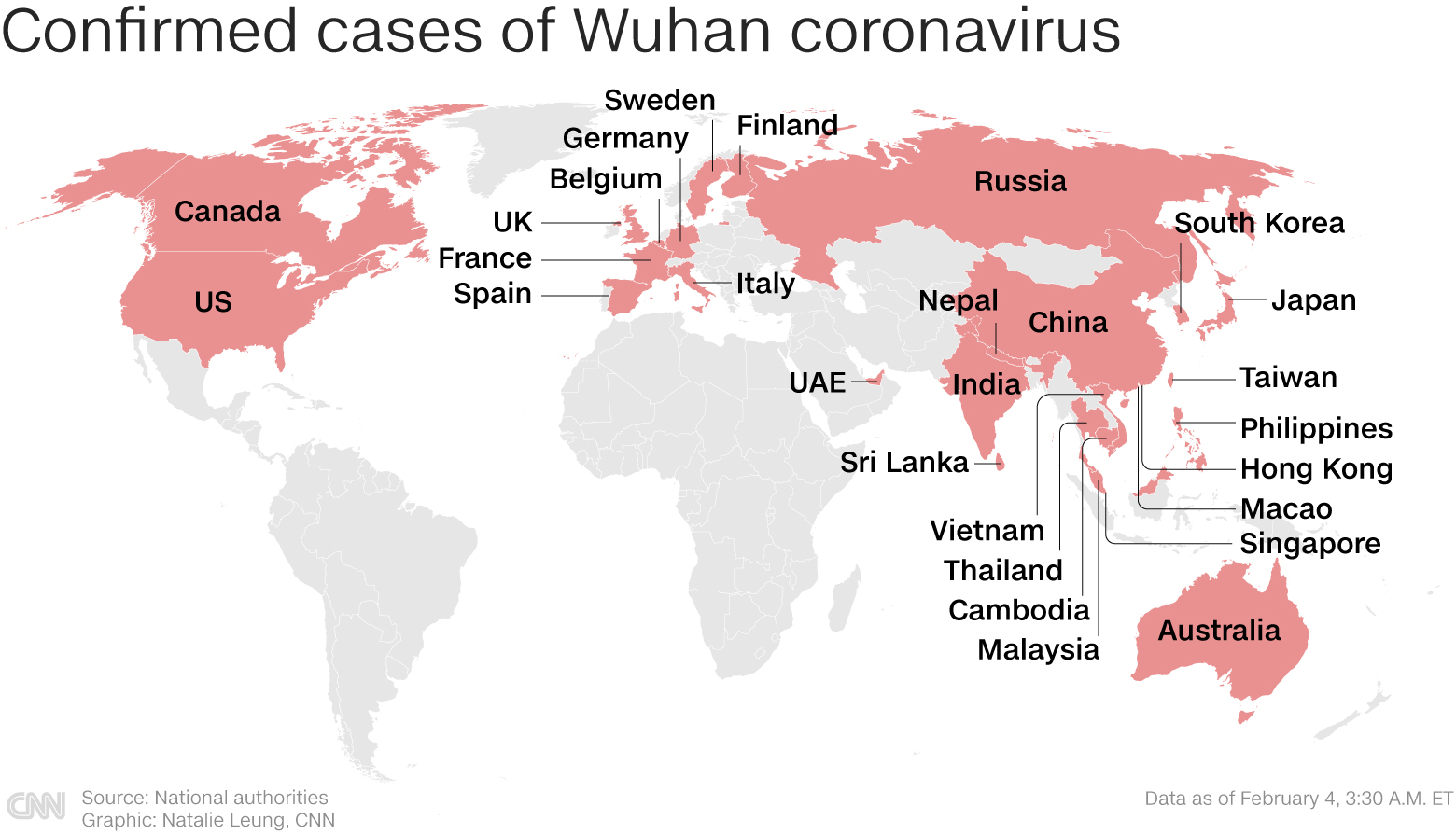 Now here's a more resent picture, and the numbers are growing daily.
.svg)


